
Last month we explored the connection between finance, laws, and inflation. We examined two concepts: Henry Hazlitt’s “Economics In One Lesson,” which highlighted the need to consider the broader consequences of government policies, and the Hegelian Dialectic, suggesting that those who create problems often offer solutions that favour themselves.
Laws surrounding money, such as taxes and regulations, create distortions in the economy and can lead to inflation, a hidden and brutal tax. The column questioned the causes of inflation and who controls the money supply, setting the stage for a deeper exploration of economic principles.
Let’s begin by summarising chapters two and three of Hanry Hazlitt’s “Economics In One Lesson”.
Chapter 2: “The Broken Window”
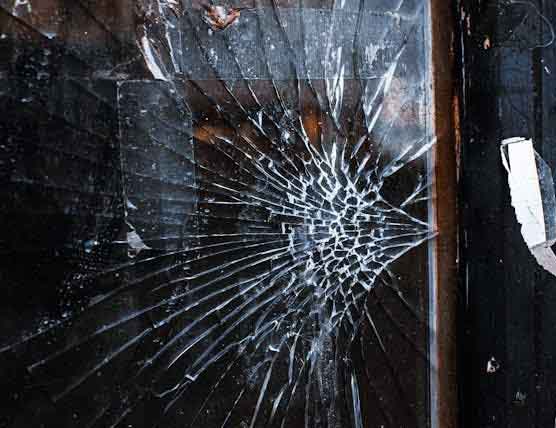
In this chapter, Hazlitt talks about a mistake people make when thinking about the economy. He gives an example where a shopkeeper’s window gets broken by a vandal. Some people think this is good for the economy because the shopkeeper has to pay to get the window fixed, which helps the glazier (the person who repairs it) make money.
But Hazlitt explains that this is a wrong way to look at things. Sure, the glazier gets paid, but the shopkeeper now has less money to spend on other things, like buying more goods to sell. This means the money is just being used to fix something that was broken, instead of helping the economy grow by creating something new.
The lesson is: when we think about the economy, we shouldn’t just look at the money spent on repairs or destruction, but also think about what else could have been done with that money to create new wealth or value. You need to be able to see a future that never was.
Chapter 3: “The Broken Window Fallacy (Continued)”
In this chapter, Hazlitt goes deeper into why the “broken window” idea is wrong. He explains that when things are destroyed (like a factory or a building), it might create jobs to fix it, but that’s not real progress. It just takes away resources (like money, time, and effort) from other things that could have been more useful.
For example, if a factory is destroyed, people might be hired to rebuild it. But those same workers could have been building something new that creates more value for the economy, rather than just fixing something that was lost.
Hazlitt stresses that real economic growth happens when we create new things or make things better, not when we just fix what’s been broken. If we only focus on fixing destruction, we miss the opportunity to create new wealth and improve society.
The Big Idea:
• Destruction, like broken windows, may seem like it helps the economy because it creates work, but it’s not really helpful in the long run. It just moves money around without making new things or improving what we already have.
• The real key to economic growth is using resources to create new products, services, and wealth, not just repairing things that were damaged.
• Get out there and create something that benefits everyone and be compensated for your effort.
Written by John E Middleclass

December 2024