
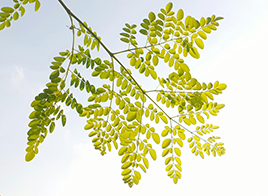
Moringa is a powerful and versatile plant often called the “miracle tree” because of its many health benefits. It’s native to parts of Africa and Asia and grows quickly. The tree has edible leaves, pods, seeds, and flowers, but the most popular variety is Moringa oleifera.
Why is Moringa So Popular?
If you check online or read comments on forums and YouTube, you’ll see that people are really excited about Moringa.
The plant is packed with nutrients that promote good health. Moringa leaves are rich in vitamins A, C, and E, as well as iron, calcium, and antioxidants. These nutrients help boost your immune system, increase energy, and support bone health. People also love Moringa for its anti-inflammatory benefits and how it helps regulate blood sugar, lower cholesterol, and improve digestion. Moringa can be used in many ways, such as in powder, tea, or food, and it’s known for improving skin health and offering detox benefits. While Moringa is used around the world, Australia is just starting to catch on.
Organizations like Agri-Futures are working to get the Australian Government to officially classify Moringa as a food source, instead of a “novel food.”
Right now, many Moringa products are imported from overseas, but when Moringa is shipped, it can lose some of its health benefits. Moringa is best used fresh to get the most from it.
Other Uses of Moringa
Moringa isn’t just nutritious – it’s also good for the environment. It’s drought-resistant, grows quickly, and helps prevent soil erosion, making it a valuable crop in areas with little water.
In countries like Kenya, India, Sudan, and South Africa, where clean water is a problem, Moringa is being used for wastewater treatment. The seeds of the Moringa tree can be crushed into powder and added to dirty water. The proteins in Moringa have a positive charge, which helps them attract dirt, bacteria, and other impurities. This causes the particles to stick together and form larger clumps. These clumps, known as flocs, are heavy enough to sink to the bottom of the water, leaving behind cleaner water on top. This process is natural and low-cost, making it a great solution for communities without access to expensive water treatment systems.
A Community Tree
In parts of South and Central America, Southeast Asia, India, and Africa, Moringa is often grown as a community tree. People plant Moringa trees in front of their homes, not just for food, but for the shade and shelter they provide. In these areas where space and resources are limited, Moringa is a valuable resource. Its fast growth and ability to thrive in different climates make it a great addition to both urban and rural areas.
In southern Mexico, Moringa is also used by zoos to feed animals. Since Moringa is rich in nutrients, it’s an affordable way to give animals the vitamins and minerals they need. This helps zoos save money while making sure the animals get proper nutrition.
Moringa in Bundaberg
Moringa is now being grown locally in the Bundaberg region of Australia. Bundaberg has a warm subtropical climate, which is perfect for Moringa. Local farmers are starting to grow it as a crop, and it’s becoming more popular as a sustainable farming option. With people becoming more interested in superfoods and organic produce, Moringa is seen as a good way to diversify local farming.
Moringa grows well in Bundaberg’s soil and doesn’t need much water, which makes it a great fit for the area’s agriculture. Farmers in Bundaberg are already growing Moringa for local and interstate markets. As more people learn about the benefits of Moringa, its cultivation in Bundaberg is expected to grow, providing both environmental and economic benefits to local communities.
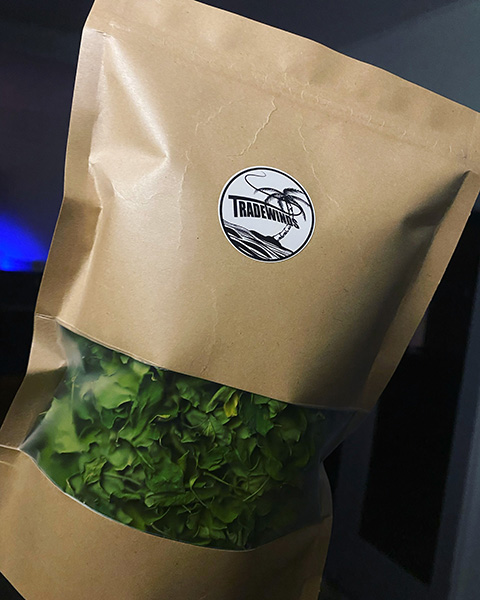
If you’re interested in fresh, locally grown Moringa, you can contact Tradewinds South Coast Pty Ltd. They have 1 acre of farm land dedicated to Moringa produce and are able to pick their Moringa, dry it for three days, and package it so that it is fresh. But be quick because they sell out as fast as they supply so it’s imperitave to get your name on the list as soon as possible.
Published February 2025