
Australia’s past is not just buried in textbooks or hidden behind museum glass—it’s living, breathing, and waiting to be unearthed.
The Australian Heritage Festival invites people of all ages to join the journey of discovery, connection, and celebration. Under this year’s evocative theme, ‘Unearthed’, the festival calls on Australians to dig a little deeper—into stories, places, and traditions that have shaped the nation across generations.
Now in its 40+ year legacy, the Festival—coordinated by the National Trust of Australia—is the country’s largest community-led celebration of heritage. Each year, it transforms the ordinary into the extraordinary, turning historic buildings, forgotten railways, First Nations lands, and everyday streets into portals to the past.
What does it mean to unearth? It’s more than digging up the past. It’s about discovering the hidden tales behind old stone walls, hearing the whispered memories in antique halls, and giving voice to the communities and cultures who have shaped the land. It’s about shining light on stories that may have been lost, overlooked, or left untold.
Across the country, hundreds of events will bring the theme to life—through walking tours, talks, exhibitions, performances, workshops, open days, and more. Whether you’re tracing the footsteps of early settlers, learning about the resilience of Indigenous communities, or uncovering the lesser-known stories of women, migrants, and everyday heroes, there’s something to ignite every curious mind.
Expect to:
– Explore railways that shaped cities
– Immerse yourself in Old-Time dancing
– Join crime tours that delve into the darker side of history
– Experience crafts, food, and traditions passed down through generations
– And visit sites rarely open to the public
Childers will once again take part in the Australian Heritage Festival through its own local offering: Childers Heritage Day. Now in its fourth year, the event invites people to slow down, explore, and reconnect with the stories and traditions woven into the town’s buildings and gathering places.
This year, there’s a particular focus on dance—not as entertainment, but as something deeper. At West Street Hall, the local old-time dancing group will gather to demonstrate the kinds of dances that once brought communities together. Everyone is welcome to join in, regardless of skill or experience. The steps are simple, the music familiar, and the atmosphere relaxed. It’s not about putting on a show; it’s about remembering how movement and music were once central to rural life—how people gathered, celebrated, and found each other.
Later in the evening, Waterloo Hall will host a Bush Dance. The hall, officially opened in 1911, famously welcomed 150 people at its first ball. It was almost demolished in the 1990s but survived through community effort and care. On Heritage Day, the old timber floor will once again carry the rhythm of boots and laughter. There’s something meaningful about dancing in a place that has held generations—where music, memory, and community still meet.
Throughout the day, a number of historic buildings will be open for visitors to explore. Many are familiar local landmarks, but this event provides a fresh lens through which to see them. One notable exception is the Isis Masonic Lodge, which is only open to the public on Heritage Day. Its exterior was recently restored, and inside, much remains unchanged. Volunteer guides will be available to share insights into the building’s history and the role of Freemasonry in regional Queensland.
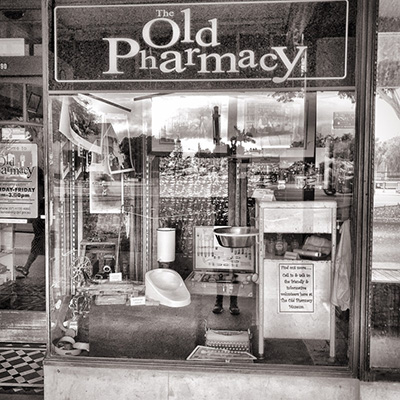
The Old Pharmacy Museum will also be open, with additional volunteers offering informal guided tours. Inside are displays of early medicines, antique bottles, and remnants of a time when pharmacists often blended their own remedies. It’s not a working pharmacy, of course, but a preserved collection of curiosities and clues about how health and healing were once understood.
Two walking tours will also run during the day. Scott Stedman, President of the Isis District Historical Society Inc., will lead a general historical tour of the town, while local historian Warren Martin will guide a tour focused on military history and Childers’ connections to wider national events.
The day itself is not about spectacle. It’s not a festival in the usual sense—there are no stages or loudspeakers, no headline acts. Instead, it’s a quiet celebration of shared heritage, made possible by volunteers and local groups who care deeply about preserving the everyday history of the region. It’s about keeping certain spaces open, and certain stories alive.
Childers joins communities across the country in reflecting on the past—through its buildings, its memories, and this year, through the movement of dancing feet.
The 2025 Australian Heritage Festival is not just an event—it’s an invitation. To ask questions. To listen. To share. And above all, to remember.
So if you’re in town, pick up a Childers Heritage Day map, bring your curiosity—and maybe your dancing shoes. Because when we unearth the past, we enrich our future—and sometimes, we even get to dance in it.
Published May 2025