
Have you been searching for your dream property?
Where do you even start? The number of bedrooms? Has it got a pool? Do you want a freehold house, or would a villa or strata-managed unit suit your lifestyle better?
There are so many variables to consider when buying your next property. And in today’s market, it’s easy to fall in love with a place and get caught up in the FOMO — the fear of missing out. But before you get carried away with ocean views or that perfect patio, it’s worth slowing down and thinking a little deeper.
One of the first questions I ask myself when looking at a home is this: Could this property support itself if I had to move out and rent it?
I know — it’s a bit of a grim thought. But life throws curveballs. A job loss, illness, or unexpected relocation can force you to change your plans. If that day comes, will your house be an asset or a liability?
You don’t want to be in a position where you’re forced to sell quickly in a down market. A house is a big financial commitment, and it should ideally serve as both a home and a fallback investment.
Beyond the Façade: Know the Land You’re Buying
It’s also essential to consider what’s underneath the house — literally. Zoning issues, environmental overlays, and historical data can significantly impact the long-term value of a property.
In Bundaberg, one of the biggest red flags to investigate is flooding. Some buyers don’t realise that a property they’re considering is in a flood-prone zone until after they’ve already signed on the dotted line — and then it’s too late.
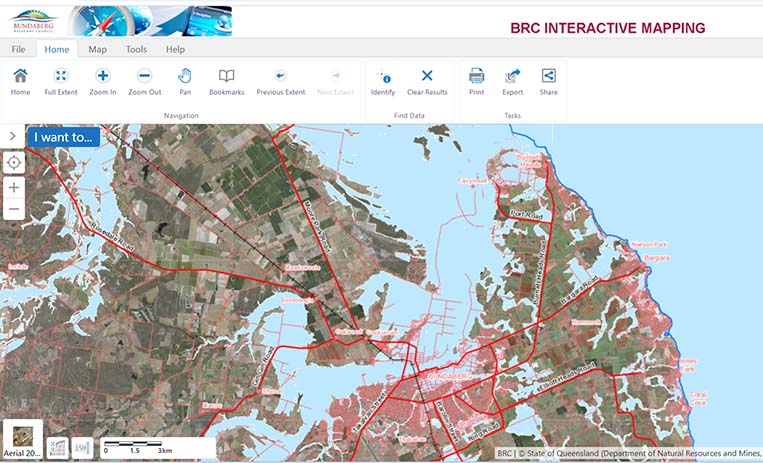
Bundaberg Regional Council offers an interactive mapping tool where you can check a property’s flood history, stormwater pathing, sewerage connections, and more. You can find it here:
https://www.bundaberg.qld.gov.au/Planning-and-building/Interactive-mapping
Just accept the terms of use, and you’ll be able to toggle layers like flood mapping, land zoning, and even past planning applications.
Why Flood History Matters
If your dream home sits on land that went under in the 2013 floods, you might face ongoing insurance headaches. Insurers can hike premiums dramatically for properties in high-risk areas — sometimes to the point where it becomes a dealbreaker.
Now, I’m not saying flood-affected land is a no-go. For some buyers, it can actually be an opportunity. If you’re aware of the risks and budget for them, you may be able to negotiate a lower price or pick up a property that others overlook. Some areas have upgraded their flood mitigation systems, too — so check the latest council data and talk to locals.
The key here is to go in with your eyes wide open. Don’t just rely on the agent’s word or pretty photos. Do your due diligence and engage a reputable legal representative.
Other Hazards to Consider
Aside from flooding, also check for:
• Contaminated land overlays – Some blocks may have a history of industrial or agricultural use that’s left behind soil contamination.
• Zoning changes – You might be in a residential area today, but what’s coming in five years? This can cause major problems or benefits depending on the particular change.
• Infrastructure plans – New roads, sewer upgrades, or nearby developments can impact property value, for better or worse.
The good news is: almost all of this info is free and online. You just have to know where to look.
Final Word
Buying property is one of the biggest investments you’ll make. Do the research, check the maps, and treat the process like a business decision, not just an emotional one.
A bit of homework now could save you a world of heartache later.
August 2025