
Real estate
Real estate has long been one of the most dependable paths to wealth — and it’s no accident. The very word “real estate” speaks to its enduring power. “Estate” comes from the Old French estat, meaning status or condition. But the term real has a dual origin: from Latin res, meaning “thing,” and from Spanish Real, meaning “royal.” Real estate, then, is not just actual property — it is royal property. Historically, to own land was to hold status, sovereignty, and power.
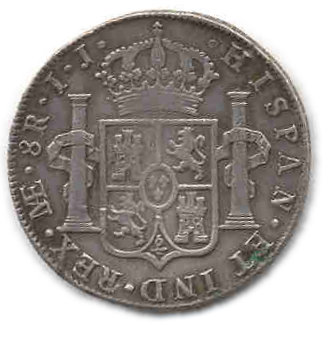
This royal connection isn’t just linguistic. During the Spanish Empire, the Real was also a currency — the silver Ocho-Real coin (also known as the piece of eight) became a global standard. It was used in trade across Europe, Asia, and the Americas — a symbol of real, enduring wealth. Land and silver, tangible and sovereign, formed the backbone of power and prosperity.
Fast forward to today, and the fundamental appeal of real estate hasn’t changed. It remains one of the most powerful tools for building financial freedom.
Why Is Property the Most Powerful Way to Achieve Financial Freedom?
Property is one of the oldest and most proven ways to build and preserve wealth. Whether it’s residential homes, commercial buildings, or land development, real estate gives everyday Australians the opportunity to grow income, hedge against inflation, and take control of their financial destiny.
Unlike shares or cryptocurrencies, property is tangible. You can walk through it, rent it out, improve it — or leverage it to acquire more. It’s no wonder the wealthy favour real estate: when managed wisely, it can generate income, appreciate in value, and create lasting financial independence.
How Property Becomes a Vehicle for Wealth
Financial freedom comes from owning assets that pay you. With real estate, that can mean:
• Rental income: steady, predictable cash flow
• Equity growth: as property values rise over time
• Leverage: using a mortgage to control a high-value asset with relatively low initial capital
• Tax benefits: such as depreciation and negative gearing
• Inflation protection: as both values and rents tend to rise with the cost of living
A well-managed property portfolio can turn one smart purchase into a pathway to generational wealth.
Robert Kiyosaki: Build Wealth with Cash Flow
Robert Kiyosaki, author of Rich Dad Poor Dad, is one of the strongest advocates for real estate as a cash flow vehicle. His philosophy is simple: buy assets, not liabilities — and make sure those assets pay you.
Key principles include:
• Assets vs. Liabilities: A rental property that earns more than it costs is an asset.
• Cash Flow Focus: Passive income creates freedom.
• Leverage: Use other people’s money — via loans — to build your portfolio.
If you’re interested in learning more about how property can help you build lasting wealth, one of the best places to start is with the classic personal finance book Rich Dad, Poor Dad by Robert Kiyosaki.
This best-selling book has influenced millions of investors around the world by breaking down complex financial concepts into simple, practical lessons.
Kiyosaki’s approach is especially valuable for beginners because it doesn’t require a background in finance. He explains the difference between assets and liabilities, the power of cash flow, and how everyday people can begin investing in property using leverage and strategy rather than luck or high income. The book is written in an easy-to-follow, conversational style, making it accessible even if you’ve never invested before.
Rich Dad, Poor Dad doesn’t just teach theory — it reshapes the way you think about money, work, and wealth creation. It encourages readers to take control of their financial future by acquiring income-generating assets, like real estate, rather than relying solely on wages or superannuation.
Whether you’re a first-time homebuyer thinking long-term or someone ready to start building a property portfolio, this book is a smart and empowering first step.
July 2025