
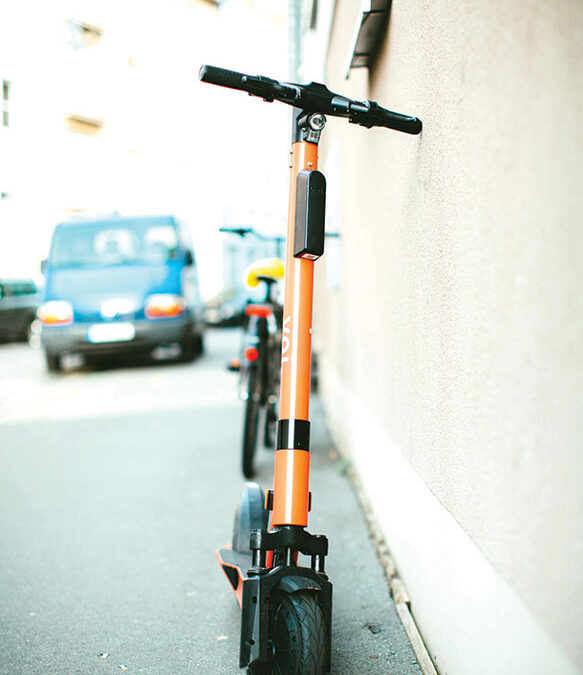
Bundaberg Electric Scooters
There was a time when cities knew what a gang looked like Motorcycle clubs like the Hells Angels made noise, had jackets, hierarchy, and a presence you couldn’t ignore them approaching.
The new gang? The Disposables.
No jackets. No leaders. No rules. Membership is earned the moment you leave your scooter in the most annoying, reckless spot possible. Block a footpath? Up a tree? Tip it into a bike rack? Fling it at a fence? Congratulations. You’ve gained Disposable cred. The more inconvenient the placement, the higher your status.
Dumping your scooter is only half the fun. Riding is the true test of a Disposable.
To really rise through the ranks of The Disposables Gang you need to ride as recklessly and incompetently as possible. Roads? Footpaths? Median strips? Pedestrian crossings? They’re all fair game.
Pedestrians—they’re minor inconveniences to weave around, nudge aside, or occasionally surprise with a swift and silent overtake. Don’t forget to leave your helmets at home and make sure you have your phone out texting a mate.
You can even join the gang with your own home e-Scooter. To pass the initiation you have to have the guts to charge your cheap lithium-ion batteries—while left unattended. The risk of fires due to faulty cheap knockoff batteries proves you have what it takes.
But seriously…
Queensland is now facing what transport groups are calling an “e-mobility crisis,” which sounds dramatic until you realise thousands of people are landing in emergency departments each year.
The National Library of Medicine reported “hospital level data of injured e-scooter riders has shown high prevalence of alcohol and drug usage and speeding, all of which were associated with more severe injury, and are hence prime targets for injury prevention.”
The coalition led by the RACQ, Bicycle Queensland, and Queensland Walks has had enough. They’re now calling for tougher laws, better enforcement, and—perhaps most tellingly—some basic common sense.
Law Enforcement Enters the Chat
Among the ideas being pushed:
• Police able to impound illegal high-powered e-bikes
• Mandatory full-face helmets for stand-up riders
• Restrictions on who can sell these devices
• A quiet but firm message of “maybe don’t ride like that”
There’s even support for confiscating and destroying particularly problematic e-vehicles—a policy that feels extreme until you’ve watched someone blast down a footpath past children and the elderly at considerable speed – while checking their phone.
Pedestrians: The Real Victims
E-scooters now intimidate drivers and pedestrians alike, with erratic riding, swerving on and off roads at will.
Footpaths, used by young children, mothers with prams, and the elderly, are now shared with vehicles that really belong on a road with insurance.
As Queensland Walks points out, the issue isn’t just behaviour—it’s space. Scooters have been added to the mix without redesigning the environment around them.
So now everyone improvises:
• Riders guess where they belong
• Pedestrians guess what riders will do
• And both are often wrong
The Real Problem: Too Easy, Too Fast
E-scooters require about 30 seconds, a phone and a working thumb. That’s the real revolution—and the real problem. The barrier to entry is so low that chaos scales instantly. Kids too young to drive, with no knowledge of road rules or simple etiquette, can quickly wreak havoc.
Dr Michael Kane of RACQ has called this a “tipping point,” and it’s hard to disagree. Because what we’re seeing isn’t just a transport issue—it’s what happens when technology outruns etiquette, infrastructure, and common sense all at once.
Chitchat Newspaper. April 2026.