
When floodwaters swept through the Bundaberg region in March, the damage didn’t stop at the front door. Homes were inundated, sheds and yards went under, fences were damaged and properties that families had spent years establishing were left covered in water, mud and debris. In the weeks and months that followed, the priorities were obvious.
When your home has been flooded, repairing walls, replacing ruined belongings, removing mud and simply making the house liveable again comes before worrying about what is growing outside.
But eventually, attention turns beyond the four walls.
For some flood-affected properties, gardens that were once green and established may still be bare, patchy or waiting for the time, and money, needed to bring them back to life.
Vegetable patches, herb gardens, flower beds and established plants can take years to create. They might not be the first thing repaired after a natural disaster, but they are often part of what makes a property feel like home.
And for those finally ready to turn their attention to the yard, there are still seeds waiting to be planted.
After hearing about the flood damage across the Bundaberg region, horticultural broadcaster and author Annette McFarlane encouraged listeners of her ABC Radio Brisbane program to donate seeds to help restore local gardens.
The response came from across south-east Queensland, with seeds donated by school children, retirement villages, gardening clubs and farmers.
For a household still looking out over a flood-damaged or barren yard, those little packets could eventually mean vegetables growing out the back, herbs beside the kitchen and flowers bringing some colour back around the home.
They can also help restore habitat and food sources for pollinators including bees, butterflies and birds.
Getting the seeds to Bundaberg took its own chain of community support.
Lupton Park Community Garden helped transport the donations from Brisbane, with Yvonne Boer in Maryborough assisting to receive, organise and redistribute them.
Former Bundaberg Organic Gardeners member Jennifer Parry, from Woodgate, then collected the seeds and delivered them to Bundaberg Organic Gardeners newsletter editor Deltry Dickie.
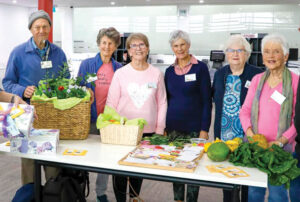
In July 2026, Bundaberg Organic Gardeners (pictured above) donated the collection to the Bundaberg Seed Library, ensuring the wider community could benefit.
Several months on, there are still plenty of donated seeds available through the libraries in Bundaberg, Childers and Gin Gin for residents ready to get their gardens growing again.
For those still rebuilding, replanting the garden may have been one of the last jobs on a very long list.
But a home is more than the structure sitting on the block.
It’s the veggie patch that supplies the kitchen, the flowers at the front door, the shade in the backyard and the little pieces of land families shape over years to make a property their own.
Published Chitchat Newspaper October 2026