
But Do You Trust What You Are Eating?
Modern Australians are surrounded by government regulations, nutrition panels, ingredient lists, and health claims. Yet despite this abundance of oversight, many people are becoming increasingly overweight, depressed, hyperactive, sick, and tired.
The Diagnostic and Statistical Manual of Mental Disorders (DSM), the primary guide used to diagnose mental health conditions, started as a small 130-page notebook. The DSM now exceeds 1,000 pages—about the size of an old-fashioned phone book.
Many disorders could be linked to diet…
Could our food be to blame?
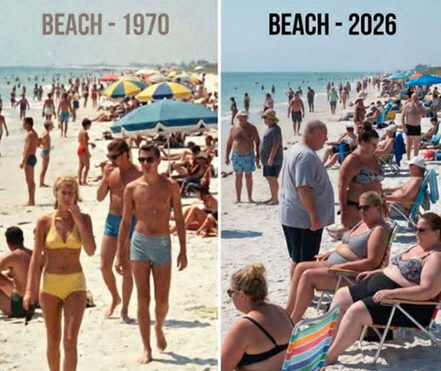
Look at photographs from Australian beaches in the 1960s, 70s, and 80s. The average Aussie body looked different. There were fewer food labels, fewer health campaigns (apart from Lazy Norm and “Life Be In It”), and less government oversight. Yet many remember Australians as leaner, more active, and generally healthier.
We lack a connection to the people who produce our food. We rely on government oversight, yet it often fails us. A few generations ago, families bought meat from the local butcher, fruit and veg came from local growers, and honey from local beekeepers. When people knew the producer, reputation mattered. There was less room for misleading claims or shortcuts. Trust mattered.
Today, food passes through a long and regulated supply chain before reaching monopolised supermarket shelves. Consumers are conditioned to trust packaging, marketing, and labels.
Consider a few examples:
1. The Label Itself – Many of the claims seen on food packaging are marketing terms rather than legally defined standards. For example, “natural” and “wholesome” have no legal definitions under FSANZ, while a product labelled “made with real fruit” may contain only a small percentage of fruit and still be technically accurate. The front of the package is designed to attract attention, but the ingredient panel provides the legally required disclosure of what is actually in the product. As a rule of thumb, consumers should pay close attention to the first three ingredients listed, as these typically make up the majority of the product.
2. Bottled Water – A surprising amount of bottled water sold in Australia is sourced from municipal water supplies before being filtered, bottled and sold at a substantial markup. While some brands disclose their water source, this information is often buried in fine print on the label. Research has also detected microplastics in bottled water, with some studies finding hundreds of particles per litre. In addition, bottled water may not always be subject to the same level of routine testing and monitoring as Australian tap water, which is generally regarded as having some of the highest drinking water standards in the world.
3. Vitamin Waters – Many vitamin waters are marketed as healthy alternatives to soft drinks, yet some contain around 32 grams of sugar per bottle—an amount comparable to many popular soft drinks. While these products often highlight their added vitamins and minerals, these nutrients are typically included as manufactured or isolated ingredients rather than occurring naturally in the water itself.
Consumers should also be aware that the term “enhanced water” has no specific regulated definition under FSANZ, meaning its use is largely a marketing choice rather than a guarantee of nutritional value.
4. Non-Dairy Creamers – Despite the name, many coffee creamers contain little or no actual cream and often very little dairy. Instead, they are typically made from ingredients such as glucose syrup solids, hydrogenated vegetable oils and emulsifiers designed to mimic the texture and appearance of cream. Some varieties contain sodium caseinate, a milk-derived protein, even when marketed as non-dairy. To achieve a bright white colour, ingredients such as titanium dioxide have historically been used in some products, while additives like dipotassium phosphate may be included to improve texture, stability and prevent caking.
5. Deli Meats – Many deli meats are reformed products made by combining meat pieces, injecting them with brine, and shaping them into uniform cuts. Carrageenan and other fillers may be added, while a portion of the product’s weight can be attributed to water. Sodium levels are often high, with just two slices sometimes containing more than 500mg of sodium.
6. Chicken Nuggets – Mechanically separated poultry is used in some processed meat products. In certain cases, actual muscle meat may make up less than half of the final product. The remainder can include water, batter, fillers and various additives. Even products labelled as “white meat chicken” may contain mechanically separated poultry.
7. Bacon Bits – Many bacon bits contain no pork at all. Instead, they are often made from textured soy protein, then coloured and flavoured to mimic the taste and appearance of bacon. Their highly processed nature also gives them a long shelf life, which can extend for years.
8. Pre-Shredded Cheese – Some grated or shredded cheese products contain cellulose powder (often derived from plant fibre, including wood pulp sources) to prevent clumping. They may also include antifungal preservatives such as natamycin. The addition of cellulose can affect how the product melts and behaves when cooked. While marketed for convenience, these products can involve consumers paying a premium for ease of use while receiving additional processing and additives.
9. Fruit Juice – Fruit juice can legally contain as little as 25% fruit juice, with the remainder often made up of water, added sugar and acids such as citric acid for flavour and preservation. Despite their fruity branding, the sugar content can be comparable to that of sweet snacks or soft drinks, depending on the product.
10. Caramel Colouring – Some caramel colouring used in processed foods and soft drinks is produced using sugar and ammonia under heat and pressure. This process can form a byproduct called 4-methylimidazole (4-MEI) and, in some countries, requires a cancer risk warning. Its primary role is to provide colour rather than flavour, giving products a darker, caramel-like appearance.
11. Processed Guacamole – Some products include avocado as a minor ingredient. They are often bulked out with starches, refined oils and colouring agents. Preservatives and stabilisers help maintain appearance and shelf life. In many cases, most of the fat content comes from refined vegetable oils rather than avocado.
12. Fruit flavoured Yoghurts – These products often contain relatively little actual fruit. Their colour may be derived from added colouring agents rather than fruit content. Some varieties contain more than 12g of added sugar per serve. High sugar levels can undermine the perceived health benefits of the product.
13. Commercial Multigrain Bread – May also contain added sugars, preservatives, and high levels of sodium.
14. Truffle Oil – Frequently flavoured with synthetic compounds rather than real truffles.
15. Fish Products – Consumer investigations have reportedly identified cases of species substitution in seafood. DNA testing has shown instances of mislabelling within parts of the industry. Reported mislabelling rates have ranged from around 20% to 50%, depending on the species and vendor. As a result, consumers may not always be receiving the exact fish they believe they are buying.
16. Cinnamon – Most supermarket cinnamon is cassia rather than Ceylon cinnamon.
17. Honey – Honey products have faced global scrutiny over adulteration and blending.
18. Extra Virgin Olive Oil – Consumer investigations have reportedly found that some products labelled “extra virgin” did not meet the required standards. Certain oils may be blended with cheaper vegetable oils to reduce costs.
In some cases, rancid oils can be chemically deodorised to mask defects. By contrast, a bitter, peppery finish is often considered a characteristic of genuine extra virgin olive oil.
19. Pre-Grated Parmesan – Often contains cellulose and anti-caking agents in addition to cheese.
20. Blueberry Products – Some blueberry pieces in baked goods are flavoured substitutes made from sugar, glucose syrup and colouring agents. They are designed to resemble real blueberries in appearance and taste. In many cases, “natural blueberry flavour” may be used even when the product contains no actual blueberry content.
21. Wasabi – Most restaurant wasabi is a blend of horseradish, mustard and colouring.
22. Non-Dairy Whipped Toppings – Generally made from vegetable oils, sugars and stabilisers rather than cream.
23. Processed Cheese Singles – Some processed cheese products contain only around 50% actual cheese. The remainder is made up of emulsifiers, cheap vegetable oils, proteins, and water to achieve a uniform texture. Sodium levels can be relatively high, with some products containing around 250mg per slice.
24. Maple-Flavoured Syrup – Labelled as maple-flavoured, but contains no real maple syrup. Instead, they are primarily made from glucose syrup, colouring, and artificial or natural flavourings. In some cases, maple-like flavour is derived from compounds such as fenugreek extract. Despite this, packaging imagery can strongly imply a maple origin that the actual ingredients do not support.
25. Imitation Crab – Imitation crab is typically made from processed white fish rather than real crab. It often contains starches, sugar, and flavouring agents to replicate texture and taste. Its characteristic colour comes from food dyes made from cochineal insects rather than shellfish. Cochineal is a natural red colouring made from the crushed bodies of the cochineal insect. In many cases, menus and labels don’t clearly distinguish imitation crab from genuine crab meat.
TRUST is the SOLUTION…
The solution comes down to trust. The remedy will not require another label or government regulation. Stronger ties with local producers and boycotts of misleading multinational companies can be enough to reshape markets.
Supporting local growers and small producers allows consumers to ask questions and better understand where their food comes from. Over time, this will shape what major grocery stores choose to stock on their shelves.
When you know the person producing your food, trust does not need to be printed on the packet.
Written by Dusty Saltington
Published July 2026. Chitchat Newspaper.